The Hidden Link Between Anxiety, Depression, and Chronic Illness
Episode 125: Spotify | Apple Podcasts | YouTube
View transcript on Buzzsprout
Maybe you’ve noticed this pattern in your own life:
You’ve been managing anxiety for years, and suddenly your gut starts acting up. Or you’ve struggled with depression, and now you’re constantly exhausted or catching every cold that comes around.
Or maybe it went the other way — you were diagnosed with an autoimmune condition or chronic pain, and anxiety or depression followed close behind.
If any of that feels familiar, you’re not imagining the connection. Your mind and body aren’t two separate systems trying to coexist; they’re one continuous feedback loop.
In today’s episode, we explore how your nervous system, immune system, and overall physiology are intertwined — and why supporting one always supports the others.
What We Cover in This Episode
- How anxiety and depression disrupt physical healing
- Why chronic illness can cause shutdown, fear, and dysregulation
- The vagus nerve’s role in inflammation, gut health, and mood
- What mindset work can’t do for your physiology
- How body-first healing helps you feel better — and stay better
Your Nervous System–Immune System Highway
Modern medicine tends to treat symptoms in silos — a GI specialist for your stomach, a psychiatrist for your mood, a rheumatologist for your pain. But your body doesn’t work that way.
Your autonomic nervous system quietly coordinates nearly every system that keeps you alive and well: stress response, digestion, hormones, immunity, energy regulation, and emotional processing.
When your system senses danger — whether that’s trauma, chronic stress, blood-sugar instability, inflammation, or poor sleep — it prioritizes survival.
In survival mode, your body reallocates resources: digestion slows, immune function shifts, hormones fluctuate, and emotional regulation goes offline.
Short bursts of activation are fine; they’re adaptive. But when stress becomes chronic, the “tiger chase” signal never turns off. Elevated cortisol and adrenaline suppress immunity, increase inflammation, and impair healing.
In prolonged shutdown — that dorsal vagal “energy-conservation” state — the opposite happens: immune activity becomes sluggish, leaving you more vulnerable to infections and slower recovery.
This is why people with chronic stress or trauma histories so often develop physical conditions:
- IBS or chronic bloating → linked with anxiety
- Autoimmune disorders → linked with early-life stress or trauma
- Fibromyalgia and chronic fatigue → linked with freeze or shutdown states
These patterns aren’t coincidence. They’re biology.
Common Co-Occurring Conditions
Once you understand how the nervous and immune systems talk to each other, these patterns make sense:
- Autoimmune conditions (lupus, rheumatoid arthritis, thyroid disorders) often appear alongside anxiety and depression because chronic inflammation directly alters brain chemistry and neurotransmitters.
- Digestive issues (IBS, Crohn’s, ulcerative colitis) share a direct gut-brain connection. Roughly 90% of serotonin is made in your gut, and 70% of your immune cells live there.
- Chronic fatigue & fibromyalgia combine physical depletion with nervous system collapse.
- Chronic pain both triggers and is amplified by dysregulation — pain perception intensifies when your system is stuck in survival mode.
- Cardiovascular disease and diabetes are strongly tied to long-term stress responses that affect blood pressure, inflammation, and blood sugar regulation.
These aren’t separate disorders. They’re different expressions of the same root imbalance: nervous system dysregulation.
The Vagus Nerve: Your Body’s Healing Superhighway
The vagus nerve — the longest cranial nerve in your body — is the main communication line between your brain and your organs. It regulates digestion, heart rate, inflammation, and emotional state.
When vagal tone is strong (a sign of good regulation), inflammation decreases, immune function improves, digestion balances, and mood stabilizes.
When it’s weak or suppressed by chronic stress, the opposite happens.
This is why nervous system regulation practices — breathwork, cold exposure, somatic movement, safe connection — don’t just ease anxiety and depression; they directly influence immune function and inflammation levels.
The Bidirectional Relationship
Just as chronic stress can cause illness, chronic illness can keep your system stuck in stress.
Living with persistent pain, fatigue, or medical uncertainty sends continuous “danger” signals to your brain. Over time, that can produce anxiety, low mood, or shutdown.
There’s also real grief involved — loss of vitality, control, and predictability. Add medical gaslighting, financial strain, or exhausting treatment protocols, and it’s no wonder so many people with chronic illness feel dysregulated.
And sometimes, what’s labeled as anxiety or depression is simply a normal nervous system response to an abnormal situation. Recognizing this reframes symptoms from “something wrong with me” to “something my body is trying to protect me from.”
You Can’t “Think” Your Way Out of a Physiological Problem
Talk therapy and mindset work are incredibly valuable, but if your body is under-resourced, insight alone can’t create regulation.
You can’t CBT your way through hormone collapse.
You can’t meditate your way out of chronic inflammation.
You can’t “positive-think” your way out of nutrient deficiencies or poor sleep.
True healing requires supporting the body as much as the mind.
This is why our approach at Regulated Living bridges both physiology and psychology — addressing what’s happening in the body while nurturing how you relate to your body.
A Whole-Person Approach to Healing
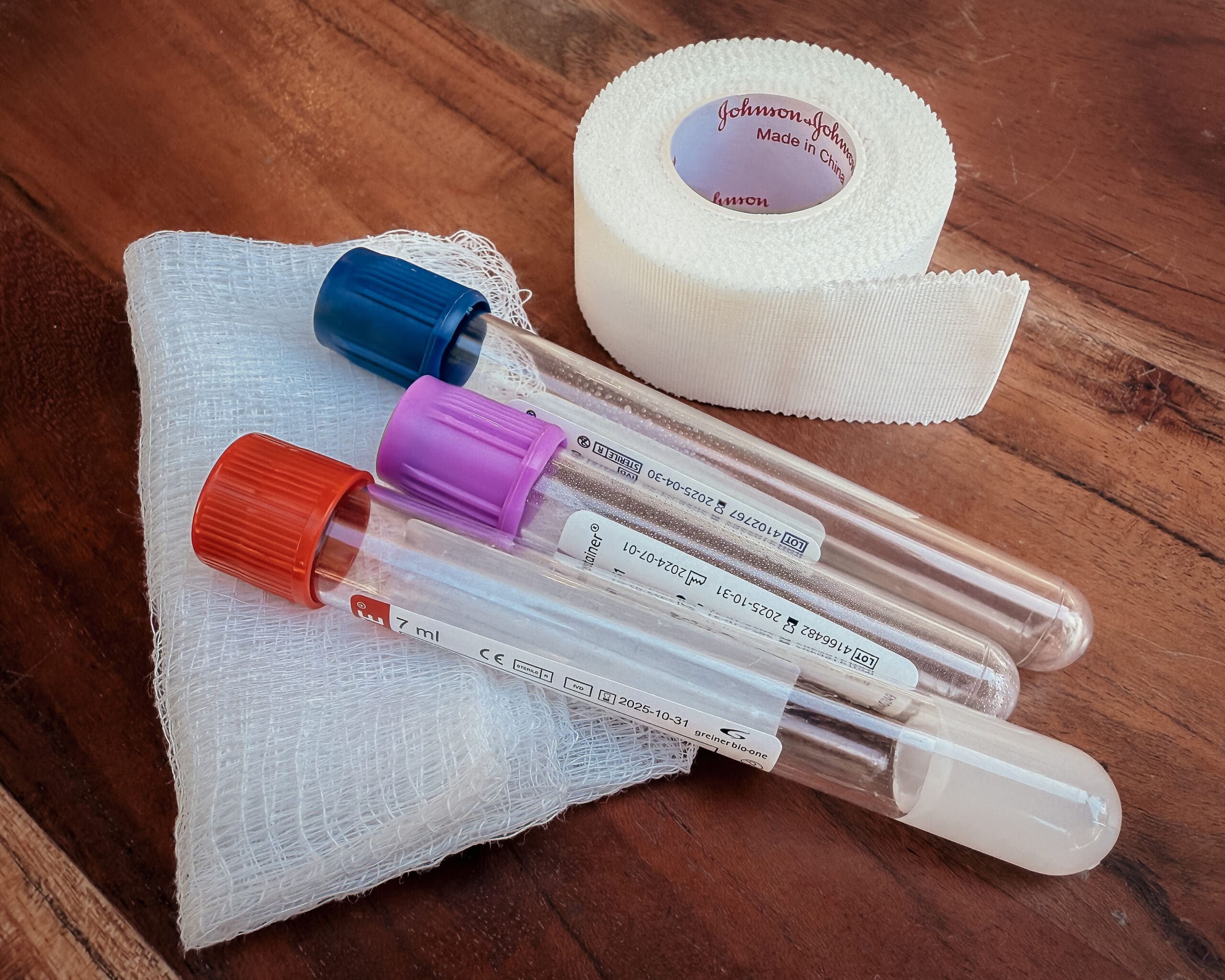
In our RESTORE 1:1 coaching program, every client now receives comprehensive bloodwork that screens for inflammation, hormone balance, thyroid and nutrient markers — even biomarkers directly linked to anxiety and depression.
From there, our team creates individualized protocols that integrate:
- Nervous system regulation & vagus-nerve activation
- Foundational physiology (sleep, blood sugar, gut, and hormones)
- Emotional processing to release stored stress
- Environment & relationships that shape daily safety cues
Because no one heals in pieces. You heal by bringing the whole system back into balance.
And for clients who need deeper medical evaluation, our sister practice, Regulated Health, offers functional lab testing and practitioner-guided treatment.
This is why our clients see progress even when nothing else has worked — we don’t just suppress symptoms. We support the system behind them.
Healing is rarely either/or. It’s both/and.
Both nervous system support and medical care.
Both emotional healing and physiological repair.
Both symptom relief and root-cause resolution.
Three Tangible Takeaways
- Your mental and physical health are inseparable.
- Nervous system dysregulation can trigger illness — and illness can reinforce dysregulation.
- Healing one area supports the others.
- Nervous system work improves inflammation, immunity, and resilience; physical health support stabilizes your mood and energy.
- Both/and approaches work best.
- The deepest healing happens when you blend body-based regulation with functional medicine, emotional processing, and supportive relationships.
Looking for more personalized support?
- Book a FREE discovery call for RESTORE, our 1:1 anxiety & depression coaching program (HSA/FSA eligible & includes comprehensive bloodwork)
- Join me inside the Regulated Living Membership, a mental health membership and nervous system healing space (sliding scale pricing available)
- Join my Release Class – Monthly guided nervous system regulation class
- Order my book, Healing Through the Vagus Nerve today!
- Download free resources here
*Want me to talk about something specific on the podcast? Let me know HERE.
Disclaimer: This article is for informational purposes only and is not a substitute for professional medical advice, diagnosis, or treatment. Always seek the advice of your physician or qualified mental health provider with any questions you may have regarding a medical condition.